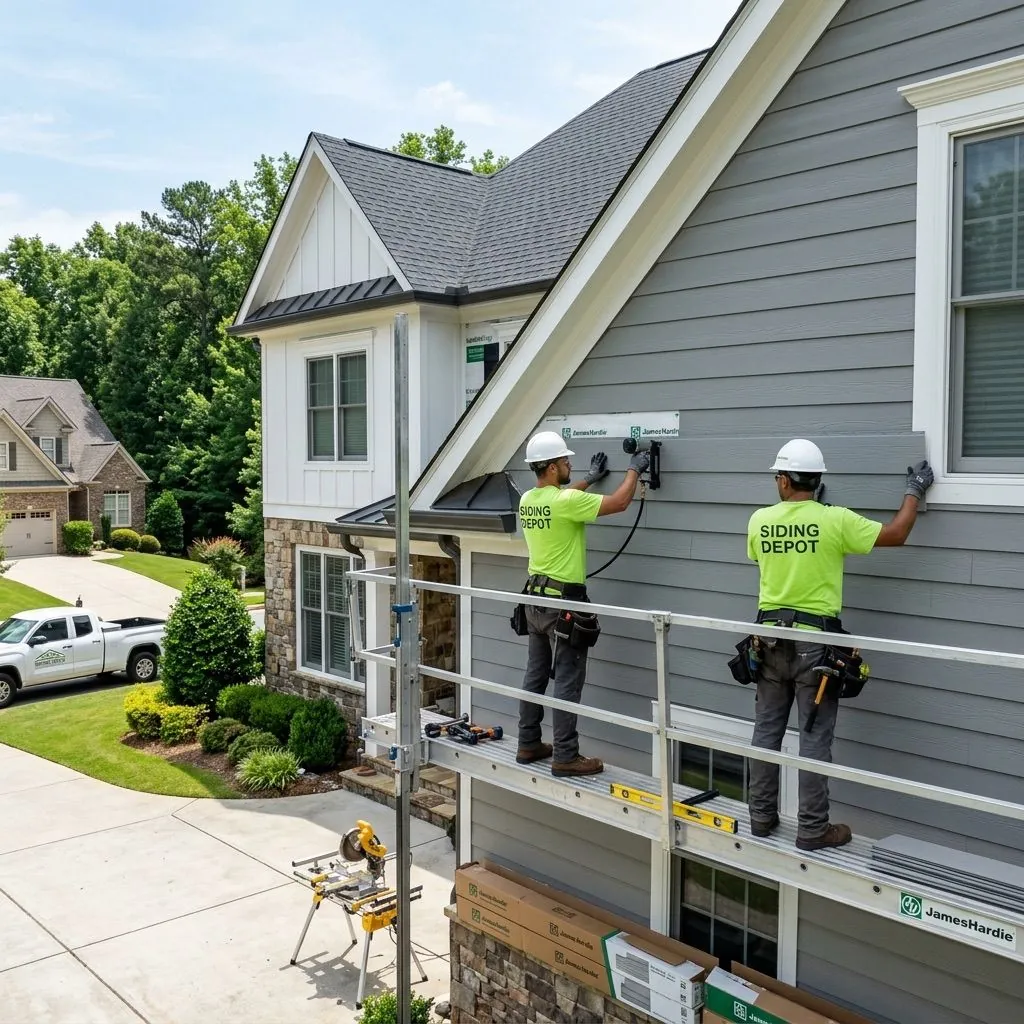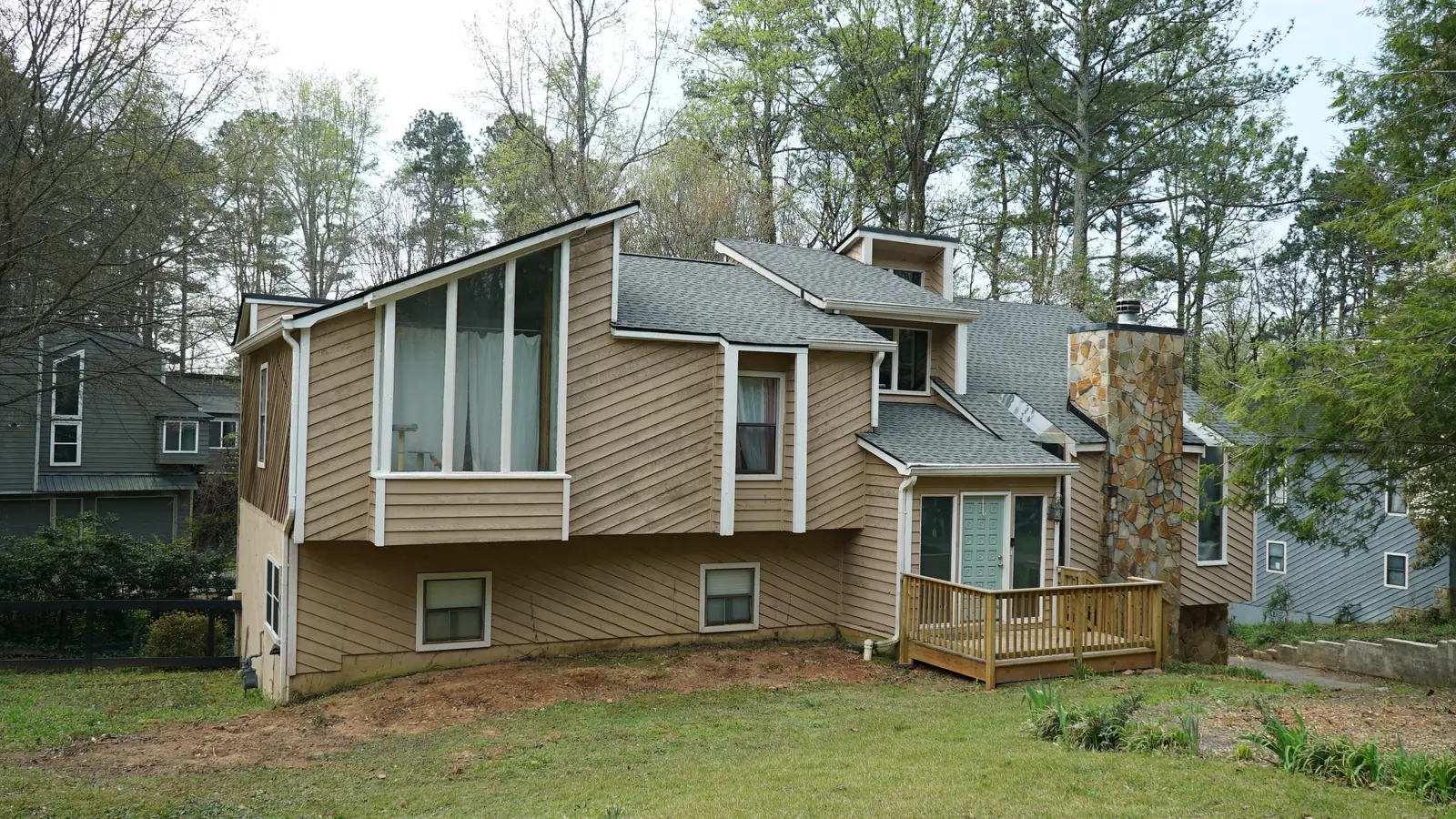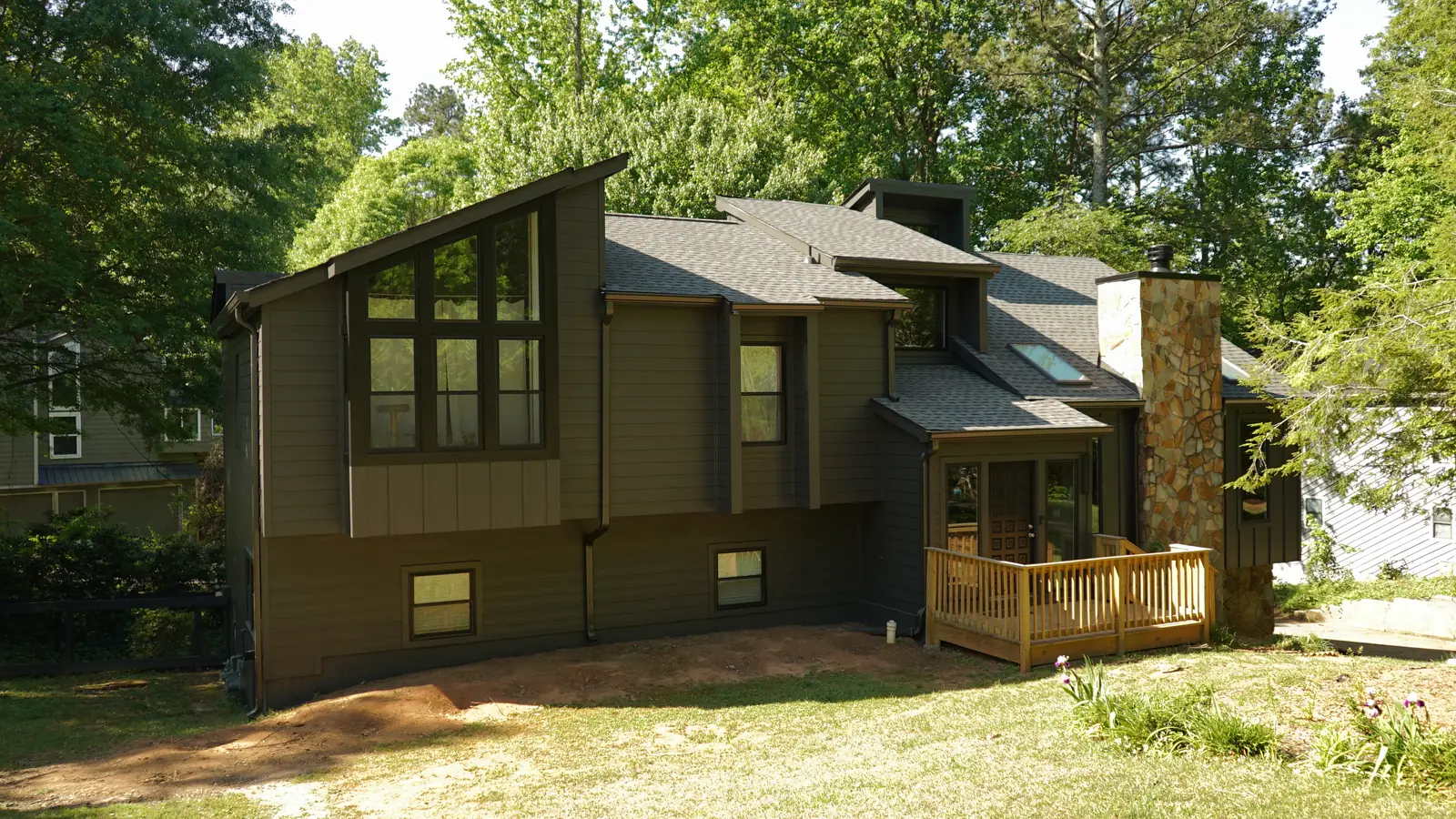
Hidden wood rot in Georgia homes: catch it before it spreads
What looks like a small soft spot is often the tip of a much bigger problem hiding behind the wall. Here is how to find it, price it, and stop it from coming back.
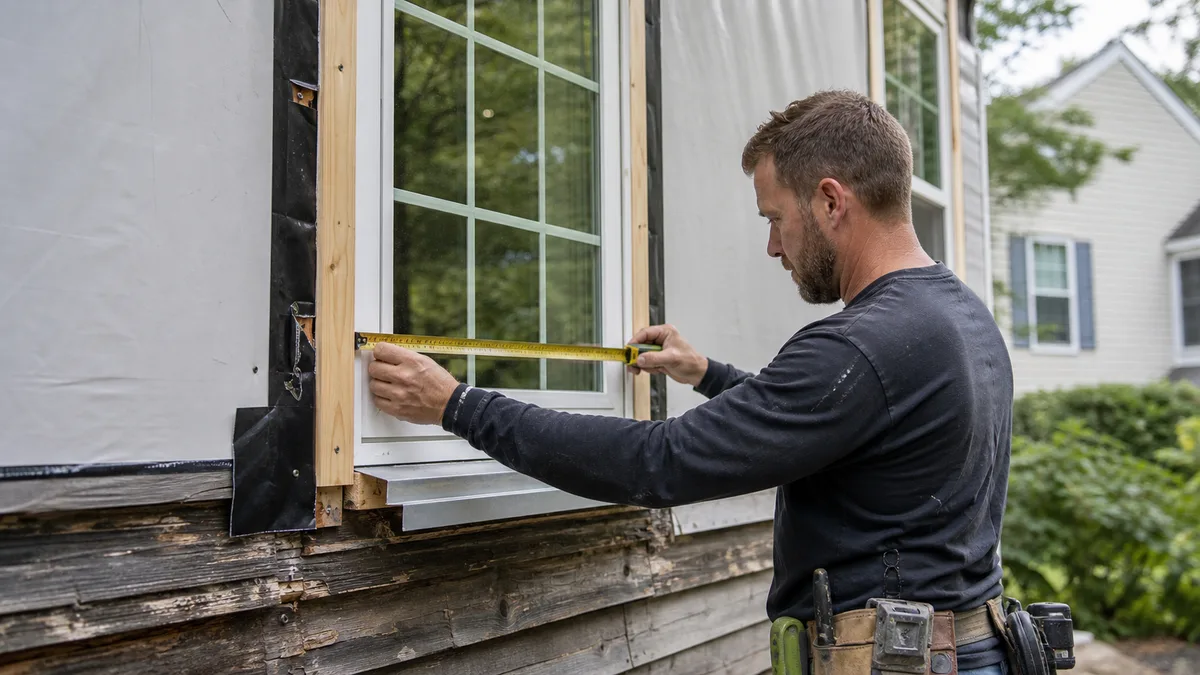
How to spot wood rot
Wood rot is the quiet, expensive problem behind a lot of Georgia siding projects. The state’s humidity and heavy rainfall give moisture endless chances to work its way behind the cladding, and by the time you can see or feel the damage, it has usually been developing for a while. The good news: caught early and handled correctly, rot is manageable. Ignored — or painted over — it spreads into the structure of your home.
You do not need to be a contractor to run a basic check. Rot announces itself in a few consistent ways:
Press test — Push a screwdriver or pen into suspect spots — soft or crumbling wood is rot.
Discoloration — Brown or black staining on or around the siding signals deeper moisture.
Smell — A persistent musty odor near a wall often accompanies hidden rot.
Hollow sound — Tapping that sounds hollow can indicate dry rot beneath the surface.
Found a soft spot? Don’t wait for it to spread — get it looked at and documented. Get my free inspection
Why what you see is only part of it
The single most important thing to understand about rot is that the visible damage is rarely the whole story. What looks like one soft board can, once the siding comes off, turn out to have let moisture into the insulation, the sheathing, or even the framing behind it. That is why an honest contractor will not give you a final rot number before the wall is opened — they cannot see through it, and neither can you. What they can do is tell you how the discovery and pricing will be handled.
Caught a soft spot or musty smell? A documented inspection now beats a structural repair later. Book my free inspection
"What you think is a minor repair may be a major one — you do not know the full extent of the rot until the siding comes off."
Repair or replace?
When rot is shallow and isolated, and the surrounding structure is dry and sound, targeted repair can be enough: remove the affected boards, replace any compromised sheathing, install proper flashing, and seal the vulnerable joints. When the damage is widespread, or the moisture source has been active for a long time, replacement of the siding — paired with fixing the water intrusion — is the durable answer. Critically, new siding installed over an unresolved leak will simply rot again, which is why the moisture source has to be addressed, not just covered.
How Siding Depot prices hidden rot
Because rot cannot be fully seen in advance, the fair way to handle it is to make the process transparent before work starts. Siding Depot documents any wood replacement with a written addendum and predetermined pricing, so if rot is uncovered mid-project, you see exactly what was found and what it costs — no mid-job surprises, no pressure. That transparency is part of the same accountability approach we describe in our Marietta project guide.
What a good rot process looks like
- The damaged area is documented before it is removed
- You are shown the condition and the extent
- Replacement is priced against a written addendum
- The moisture source is fixed, not just covered
- Flashing, sealing and drainage are addressed
Preventing the next round of rot
Most rot traces back to water going where it should not. Keep your gutters clear so rain does not spill behind the siding, trim back bushes and trees so walls get airflow and dry out, and deal with failed caulk or flashing before it becomes an entry point. Pairing new, moisture-resistant fiber cement siding with proper water management is the most reliable way to keep rot from returning.
The real cost of ignoring rot
Rot is not a problem that holds still. Because it is fed by moisture and the organism that causes it keeps working as long as the wood stays damp, a small area of decay quietly expands into the surrounding boards, then the sheathing, then the framing that actually holds the wall together. What could have been a modest repair caught early becomes a structural job caught late — and the difference in cost is measured in thousands of dollars, not hundreds. In a humid state like Georgia, that clock runs faster than most homeowners expect.
There is a resale dimension too. Undisclosed or visible rot is exactly the kind of finding that stalls a home inspection and gives a buyer leverage to renegotiate. Addressing it on your own timeline — documented, repaired and with the moisture source fixed — is almost always cheaper and less stressful than addressing it under the pressure of a pending sale.
Stop rot before it reaches the structure. Get a free exterior inspection with the damage documented in writing — and a clear plan to fix the cause. Get my free inspection Call (678) 400-2012
Rot, moisture management and your warranty
Replacing rotted wood is only half the job; the other half is making sure water cannot repeat the damage. That means treating the wall as a system — correct flashing at every transition, a proper weather-resistant barrier, sealed joints, and drainage that carries water away instead of trapping it. It is also why the installer matters as much as the material: James Hardie’s product warranty, like any manufacturer’s, depends on installation to specification, and moisture that gets behind incorrectly installed siding is exactly what starts the rot cycle over again.
Pairing moisture-resistant fiber cement with disciplined water management is the most durable answer for a Georgia home. The board itself does not feed rot the way wood does, and when the flashing and barrier behind it are done right, you remove both the food and the water that decay needs. That combination — the right material and a to-spec installation — is what turns a recurring problem into a solved one.
Sources & Review Notes
- Guidance reflects common wood-rot indicators and remediation practice; confirm the specific inspection and addendum process against Siding Depot operations before publication.
- Internal links only — no third-party or aggregator references used.
Frequently Asked Questions
Q.How do I tell if I have wood rot behind my siding?
Press a screwdriver or pen into suspect spots. Soft, spongy or crumbling wood, discoloration, or a musty smell all point to rot. A hollow sound when tapped can indicate dry rot.
Q.Is surface rot okay to just patch?
If rot is shallow and isolated, scraping, filling and sealing may be enough. Deeper damage should be cut out and replaced, along with any compromised sheathing.
Q.What is usually behind the visible rot?
Often more than you can see. Moisture may have reached insulation, sheathing or framing. The full extent is only clear once siding is removed.
Q.Will new siding stop the rot?
Only if the moisture source is fixed too — flashing, sealing and drainage. New siding over an unresolved leak will rot again.
Q.How is hidden rot priced?
It should be documented and priced before work proceeds. Siding Depot uses a written wood-replacement addendum with predetermined pricing so there are no mid-project surprises.
Q.How can I prevent wood rot?
Keep gutters clear so water does not spill behind the siding, trim back vegetation for airflow, and address failed caulk and flashing promptly.
Q.Does insurance cover rot?
Rot from gradual moisture is usually not covered, though sudden storm damage may be. Document the cause and check your policy.
Ready for Your Free Estimate?
Join 1,000+ happy Georgia homeowners. Professional measurement and detailed written proposal within 48 hours.