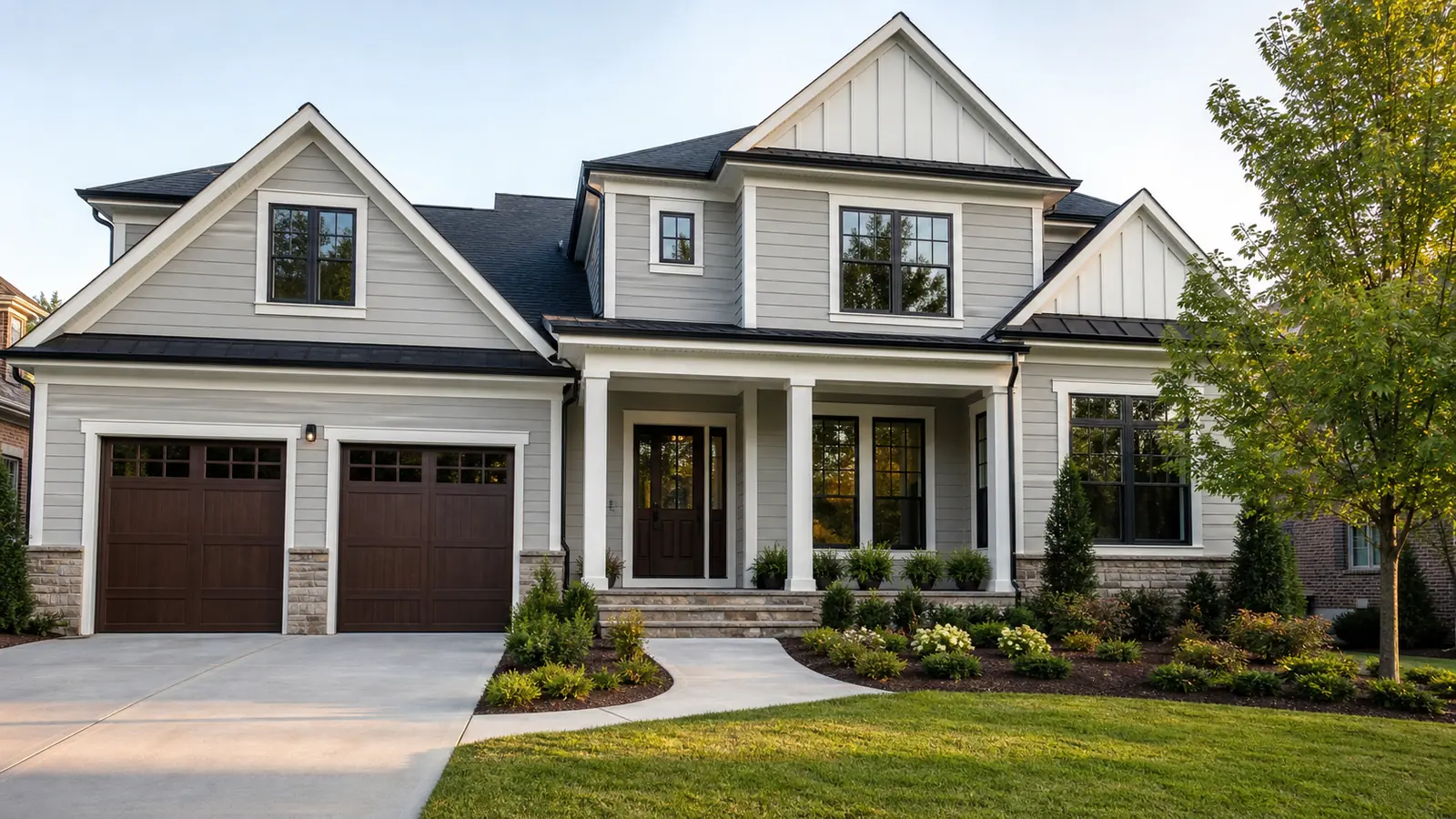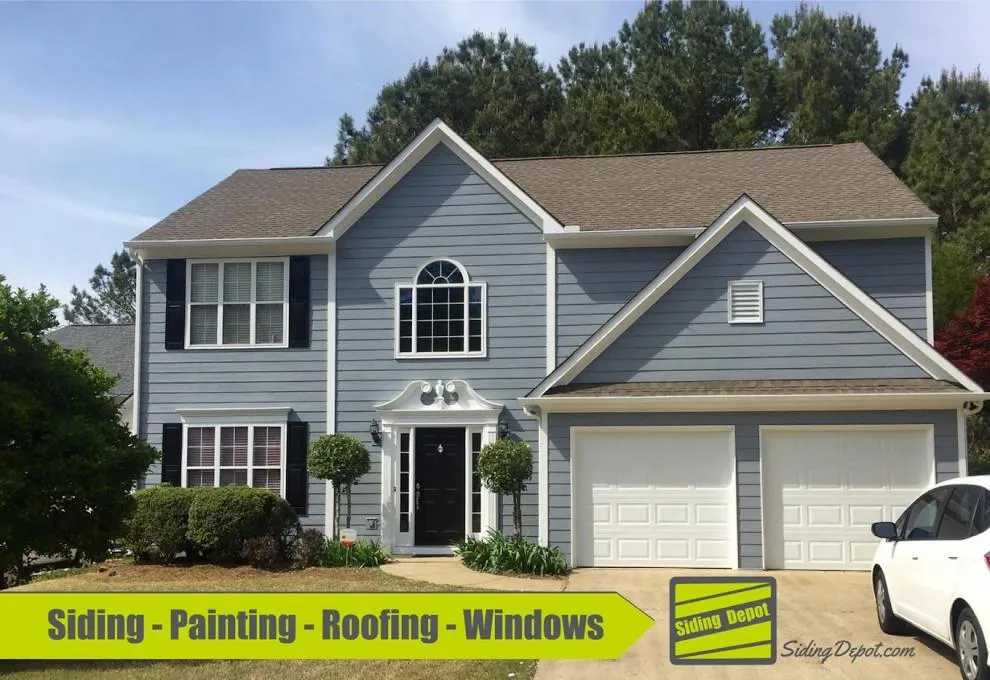
James Hardie siding in Marietta: plan the project, not just the product.
A better exterior starts with the right material — and a scope that makes the installation, repairs and final result clear before work begins.
Why local climate belongs in the conversation
James Hardie is a familiar name to homeowners across North Atlanta. But when you are comparing proposals, the board on the wall is only one part of the decision. The scope, installation details and accountability behind it determine the experience you have after the crew arrives.
For a Marietta homeowner, this guide is designed to make that decision more concrete. It explains why product selection should be tied to local conditions, what belongs in a useful estimate, and the questions worth asking before you choose a contractor.
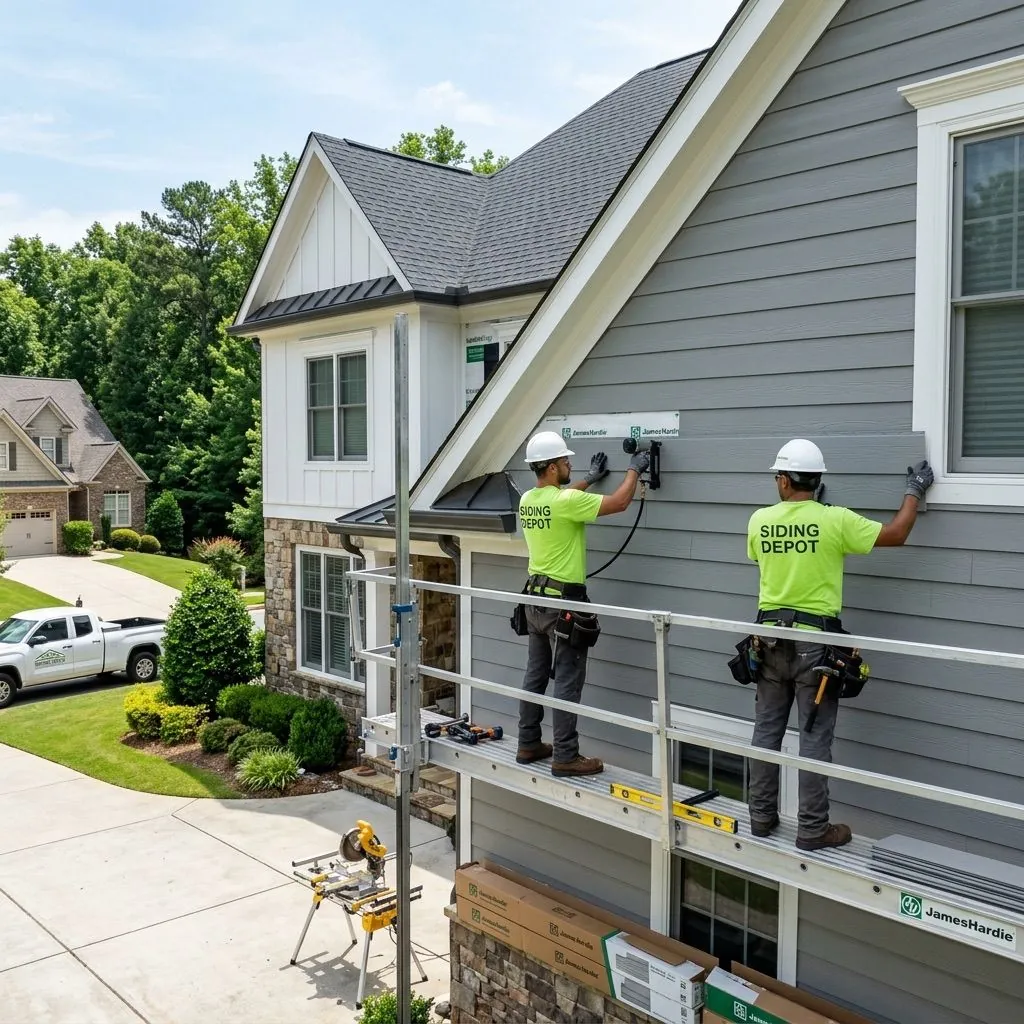
Exterior materials in Georgia live with long periods of heat and humidity, repeated rain and seasonal storms. That does not make one product a universal answer, but it does make installation details — flashing, trim, clearances and water management — central to a successful siding project.
James Hardie calls its climate-specific product approach the Hardie™ Zone System. Its HZ10® line is engineered for hot, humid Southern climates, and the manufacturer describes its 30-year limited transferable product coverage on that page. Product coverage and installation requirements are not the same thing, so request the documentation that applies to the exact system being proposed for your home.
Material decision — Ask which siding, trim and finish are specified — and why they suit the home.
Water decision — Ask how flashing, transitions and existing drainage will be handled.
Repair decision — Ask what happens if removal reveals damaged sheathing or framing.
People decision — Ask who installs, who manages the project and who answers after completion.
What actually changes a siding estimate?
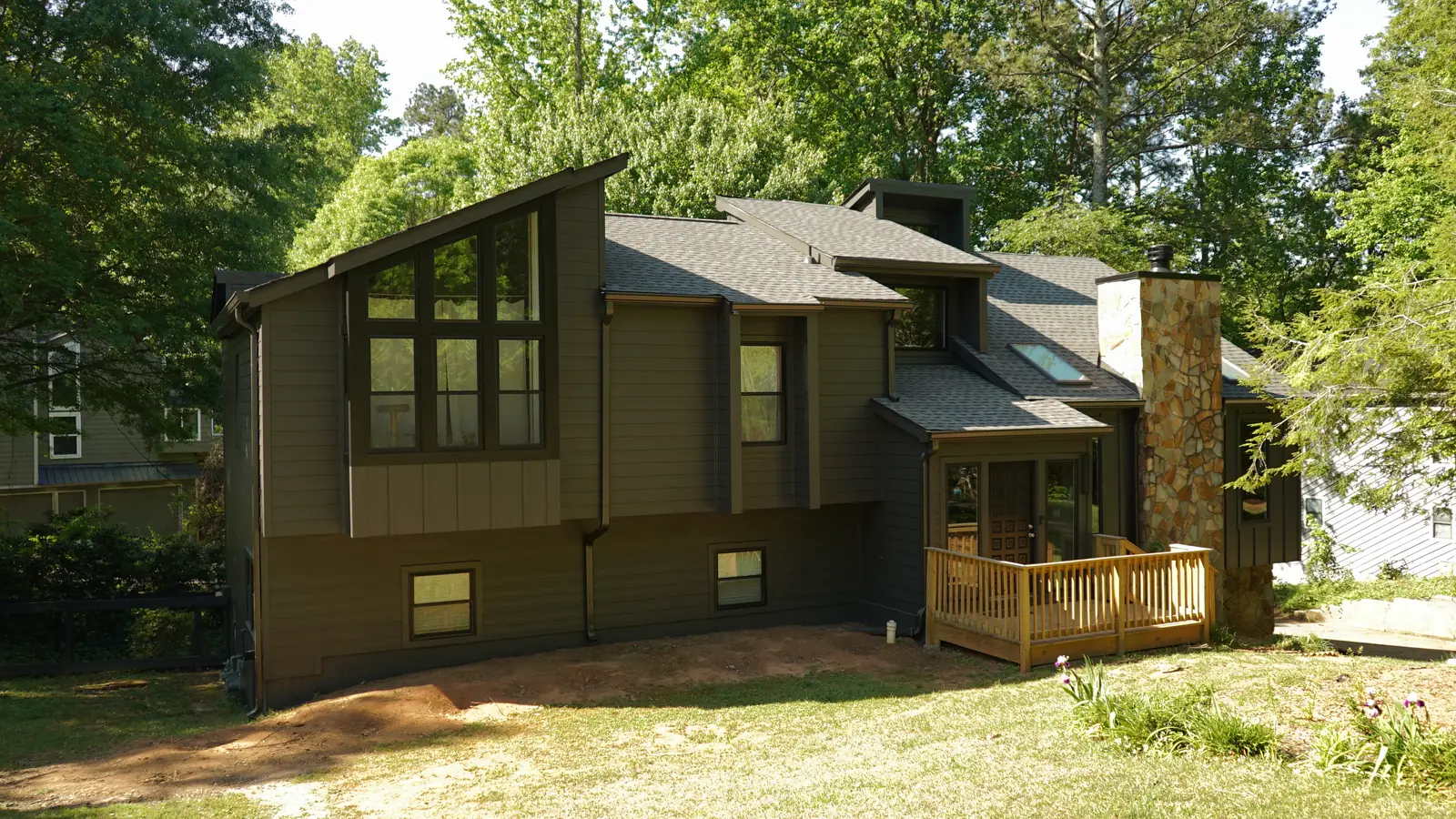
There is no responsible one-number answer for a siding replacement. A real budget conversation starts with your elevations, existing material, trim condition, access and the work required behind the siding. The final number should come from an on-site review and a written scope.
In practical terms, the biggest variables are usually the amount of exterior surface, design complexity, removal and disposal of the existing material, trim/soffit/fascia work, access, paint or finish selection, and any repairs uncovered once the old cladding is removed. This is why an estimate needs more than a total at the bottom.
Use the manufacturer's current product and installation documentation to understand the proposed system. Use a measured, written scope — not a marketplace estimate — to understand the budget for your home.
When two quotes are far apart, do not assume the lower number is automatically a better deal or that the higher one is automatically more complete. Put the proposals side by side and mark every item that is named in one but absent from the other. A difference may be legitimate — one home may need more trim work or a more involved removal — but it should be visible.
Start with the exterior system: siding profile, trim, soffit, fascia, caulk, paint or factory finish, and the transitions where siding meets roofs, windows and masonry. Then compare the work around the system: permits if applicable, protection for landscaping, debris removal, cleanup, schedule and final walkthrough. If a line is unclear, ask for the answer in writing instead of filling in the gap with an assumption.
This comparison also makes the repair conversation easier. Existing exterior conditions are not always visible until material comes off. A contractor cannot promise that no repair will be needed, but a clear proposal can explain who documents it, how you see the condition, how approval works and how any added work is priced. That is a much more useful form of certainty than a vague promise of “no surprises.”
What to look for in a useful proposal
- Materials and finish named clearly, including trim and accessory scope
- Removal, protection and cleanup included or called out explicitly
- Repair process explained before the wall is opened
- Workmanship, product warranty and exclusions separated clearly
- Start expectations, site contact and final walkthrough identified
Use a like-for-like comparison
"The goal of a quote is not to make uncertainty disappear. It is to make the scope, assumptions and next decisions visible before work starts."
The contractor questions that protect the project
Manufacturer credentials can be a useful signal, but they should be the start of your due diligence — not the end. Two companies can propose the same siding brand and deliver very different communication, repair handling and finish quality.
Ask each bidder the same questions. Who will be at the home each day? Are the installers employees or subcontractors? Who is your single point of contact? How are hidden repairs documented and approved? Which installation instructions govern the work? Can you see recent projects with similar architecture?
Siding Depot states that it uses in-house crews and provides a written, itemized quote. Confirm those details — alongside the exact scope and warranty applicable to your project — in the proposal you receive. You can also see recent exterior projects before you decide.
Walk the exterior once and take notes. Flag fading, cracking, loose trim, staining, soft areas, gutters that overflow, windows that need attention and any elevation where the problem is most visible. Bring inspiration photos if the project includes a color or architectural change. This gives the consultation a practical starting point and helps the estimator distinguish between a simple replacement and a broader exterior plan.
It is also useful to decide who will be part of the final choice. Siding changes the home’s appearance for years, and the proposal review is easier when the people responsible for budget, design and scheduling have the same information in front of them.
Before the appointment
What a clearer process should feel like
A renovation is easier to manage when the sequence is explicit. The first conversation should cover your goals and the condition of the exterior. The proposal should translate that conversation into a scope. Before installation, you should know the schedule, the site contact and how changes will be handled. At completion, a walkthrough should verify the work against the agreed scope.
If you are combining siding with windows, gutters or exterior painting, coordinate the interfaces early. A single written plan for sequencing prevents one trade from leaving a detail for the next one to solve.
Sources & Review Notes
- James Hardie — Hardie™ Zone System, HZ10® and warranty overview (accessed July 14, 2026)
- Brand and service claims should be verified against the final signed proposal and current Siding Depot operations before publication.
Frequently Asked Questions
Q.Is James Hardie siding suitable for Georgia?
James Hardie's HZ10 product line is engineered for hot, humid Southern climates. The right product and installation details should still be confirmed for the individual home.
Q.What changes a siding estimate?
Home size, removal of existing material, trim and soffit work, access, repairs found after removal, and design choices all affect the written scope and price.
Q.What should I ask a siding contractor?
Ask who performs the installation, what is included in writing, how repairs are priced, who manages the job, and how manufacturer installation requirements are documented.
Ready for Your Free Estimate?
Join 1,000+ happy Georgia homeowners. Professional measurement and detailed written proposal within 48 hours.